The Ottawa Mission (TOM) has been serving Ottawa since 1906, providing shelter, food, clothing, and essential services to community members experiencing homelessness, poverty, and addiction. This month, Rachel Oliver (Hope and Day Program Coordinator, Addictions and Trauma Services) tells us about the impact of TOM’s partnership with WCC.
RACHEL: The Ottawa Mission is more than a shelter. TOM provides emergency essentials such as food and shelter, but also programs that provide hope, opportunity, and connection. We utilize a housing-first framework and weave this framework through our job training, addictions and trauma, and education programs.
Our Addiction and Trauma Services department is comprised of five unique programs that help folks step towards wellness and recovery. Our Day Program is a daily drop-in space for men, including transgender men and non-binary individuals, to come together to talk about mental health, substance use health, and life’s challenges.
The Hope Program is a 3 month, 12-bed live in program. The Hope Program uses a harm-reduction approach to substance use health and mental health. Stabilization is a 13-bed, live-in, abstinence-based program designed to promote stability and enhance substance use health in early recovery.
LifeHouse is a 5-month, abstinence-based, live-in treatment program for men with a history of trauma and addiction who are looking to rebuild their lives. LifeHouse is located off-site in a quiet neighbourhood. Second Stage provides up to 12 months of supported transitional housing for individuals who are transitioning from live-in treatment programs towards independent living.
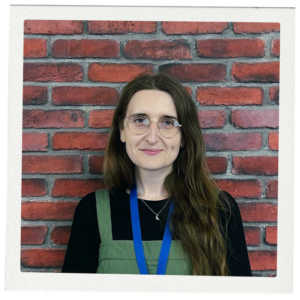 What does Ottawa Mission as an organization achieve by partnering with WCC for community programming?
RACHEL: Partnering with the WCC fills a need and compliments our Addiction & Trauma Services programming. We facilitate groups that cover emotional regulation, mental health, relapse prevention, SMART Recovery, and mindfulness to name a few. The monthly WCC workshops add creativity to the mix, which is deeply meaningful. Creativity works a different part of the brain. It promotes reflection and experimentation. It also gives our clients a break from heavier or educational topics.
We are currently facing an epidemic of loneliness and social isolation. With relationships being a major determinant of health, what are some ways gathering to write and listen together might combat this widespread problem?
RACHEL: I do want to stress the importance of the community building and connection that can happen during WCC workshops. Clients get to experience not only another aspect of self, but of others. Folks in our programs who do not often speak up in groups have an opportunity to share a piece of themselves with others through writing.
There is also the beauty of relating to each other through what is written. That kind of common humanity creates a sense of solidarity that is immensely helpful when someone is working on their addiction recovery or wellness journey. The positive commentary portion of the workshop is also validating for participants who may have not received much validation or praise throughout their lives.
How are participants benefitting from WCC workshops? Could you share any anecdotes about the impact of WCC workshops on individuals (including client and staff) at Ottawa Mission?
RACHEL: WCC workshops allow clients to express themselves in a nonjudgmental space. Clients who so often exist in survival mode get to spend an hour being creative, developing their inner voice, and connecting with others. It’s a special thing to witness. The feedback we receive from clients is that they are often surprised by what words come out of them, and they appreciate the opportunity to step away from the consistent mental work of recovery.
We encourage the development of new hobbies while in our programs, and this has also been a great way for some clients to discover that they enjoy creative writing. It’s awesome.
What has been surprising or what stands out about the partnership with WCC? In what ways can you imagine the partnership growing in the future?
RACHEL: What stands out about this partnership is the gentleness I witness. When the group begins, the room quiets and folks become introspective and connected. There is genuine space for every person at the table to write, share, and receive positive feedback. Unfortunately, society stigmatizes people who use drugs, and WCC has been nothing but gentle. I think it’s been a humanizing and de-stigmatizing experience for the folks in our programs.
We started our partnership with the Day & Hope Program and are already expanding into the LifeHouse program. I am also working on a project that combines every written piece over the course of a year to highlight the voices of our community. It would be great to be able to provide a copy of this to WCC when complete.
Can you describe the significance of creative expression and self-discovery for the clients you serve?
RACHEL: Many people we serve have experienced tremendous loss. This includes loss of self. Having the space to express themselves is an important step in rediscovering a sense of personal identity. Getting to write and explore can show them that although there may be suffering inside of them, there are tons of other beautiful pieces as well.
WCC extends its deepest thanks to the staff, facilitators, and writers who are bringing workshops to life at The Ottawa Mission. We are proud to work in partnership with you.